Why Traditional Learning Needs an Upgrade
For many years, academic qualifications were considered the primary measure of a candidate’s potential. While degrees remain important, companies now prioritize individuals who can apply their knowledge in real-world situations.
Industries such as Information Technology, Digital Marketing, Data Analytics, Artificial Intelligence, Healthcare, and Business Management are evolving at an unprecedented pace. As a result, learners must continuously upgrade their skills to stay competitive.
The Rise of Industry-Oriented Training
Industry-oriented training bridges the gap between classroom learning and workplace requirements. These programs focus on:
- Practical learning experiences
- Real-world projects
- Hands-on assignments
- Industry-recognized certifications
- Career guidance and mentorship
Students who participate in such programs gain confidence and become job-ready much faster than those who rely solely on traditional academic education.
Benefits of Skill-Based Learning
1. Better Employment Opportunities
Employers value candidates who can contribute from day one. Skill-based courses help learners develop expertise that directly matches industry needs.
2. Improved Confidence
Practical training allows students to work on real-world scenarios, helping them build confidence and problem-solving abilities.
3. Faster Career Growth
Professionals who continuously update their skills are more likely to receive promotions, salary increases, and leadership opportunities.
4. Adaptability to Emerging Technologies
Technology is changing every industry. Learning new skills helps individuals remain relevant and future-ready.
Skills That Will Be in High Demand
Some of the most sought-after skills in 2026 include:
- Artificial Intelligence and Machine Learning
- Data Analytics and Business Intelligence
- Cybersecurity
- Cloud Computing
- Full-Stack Development
- UI/UX Design
- Digital Marketing
- Project Management
- Communication and Leadership Skills
Developing expertise in these areas can significantly improve career prospects.
How to Choose the Right Training Institute
When selecting an educational or training institute, learners should consider:
- Experienced trainers
- Updated curriculum
- Practical project experience
- Certification opportunities
- Placement assistance
- Student support and mentorship
- Flexible learning options
A quality learning environment can make a significant difference in achieving career goals.
The Future of Learning
The future belongs to lifelong learners. Continuous education and skill development are no longer optional—they are essential. Whether you are a student, a fresh graduate, or a working professional, investing in skill-based learning can open doors to exciting career opportunities.
The most successful professionals are those who embrace change, acquire new skills, and remain committed to personal and professional growth.
Final Thoughts
As industries continue to evolve, the demand for skilled professionals will only increase. Investing in practical education, industry-relevant training, and continuous learning is one of the smartest decisions anyone can make for their future.
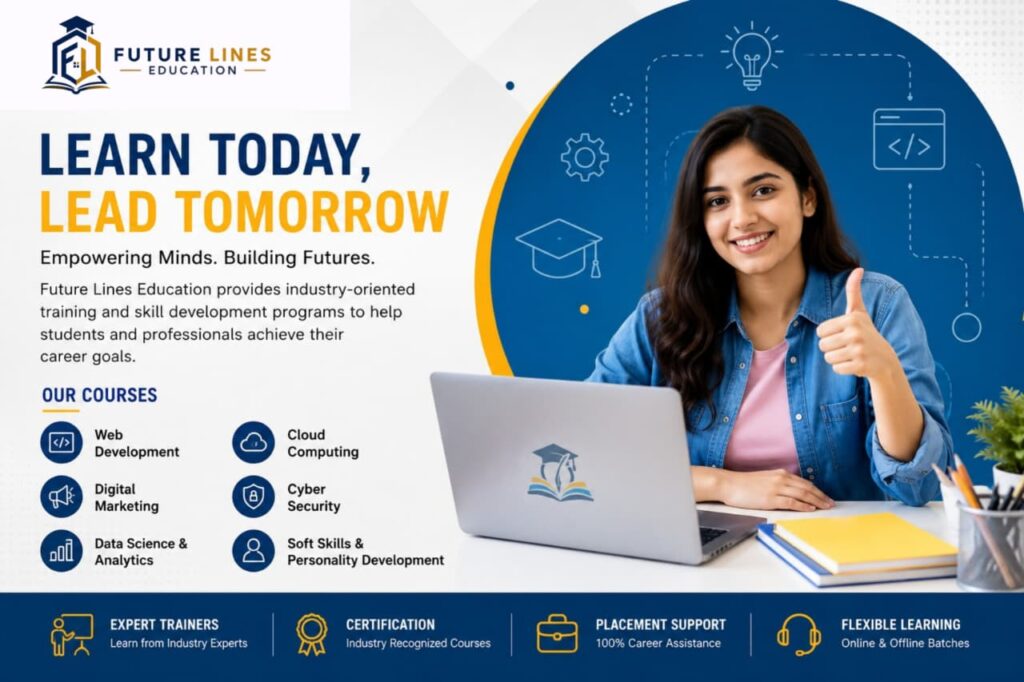
At Future Lines Education, we believe in empowering learners with the knowledge, skills, and confidence needed to succeed in a competitive world. By combining quality education with practical training, we help students build careers that are ready for the future.
Meta Title: How Skill-Based Education is Shaping Future Careers in 2026
Meta Description: Discover why skill-based education is becoming essential for career success. Learn how practical training, certifications, and industry-focused learning can help students and professionals thrive in 2026.